Ontayaki no Sato
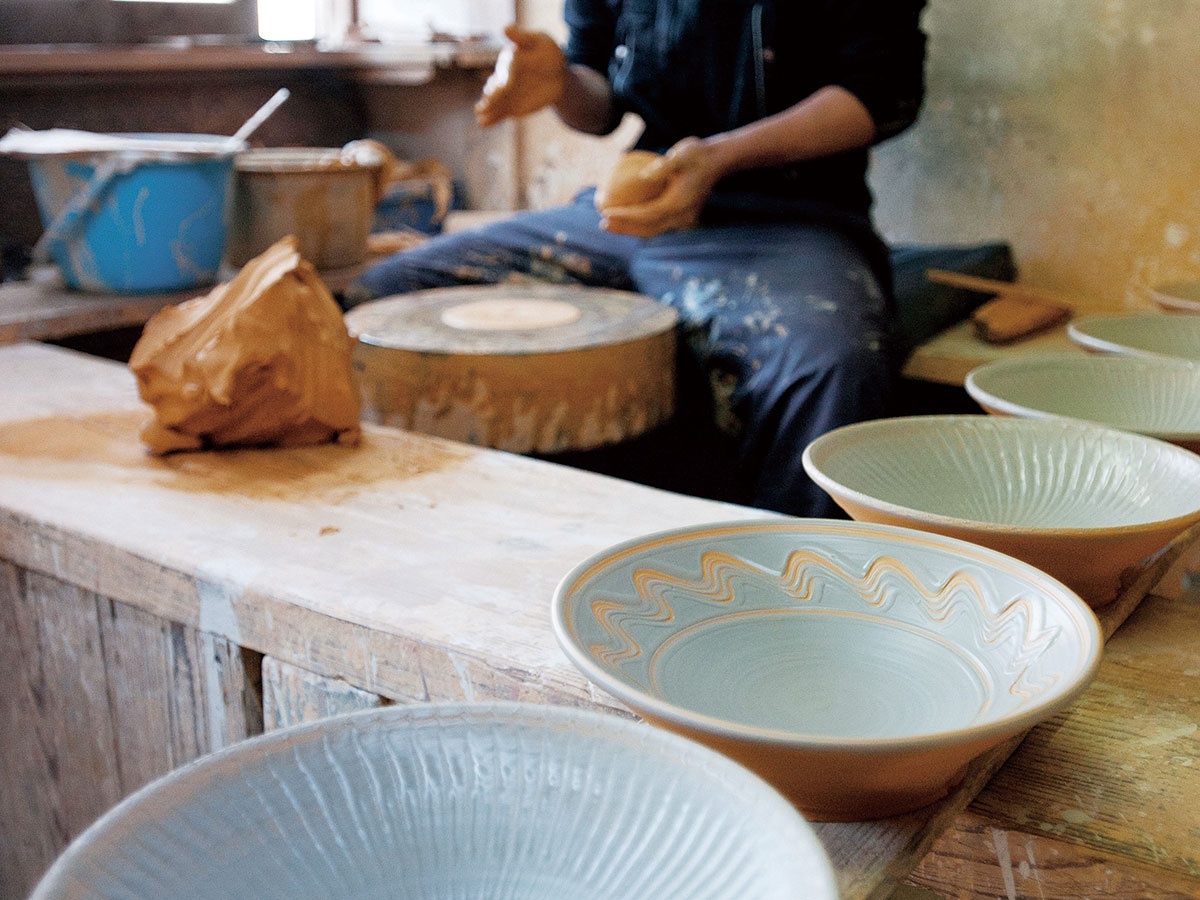
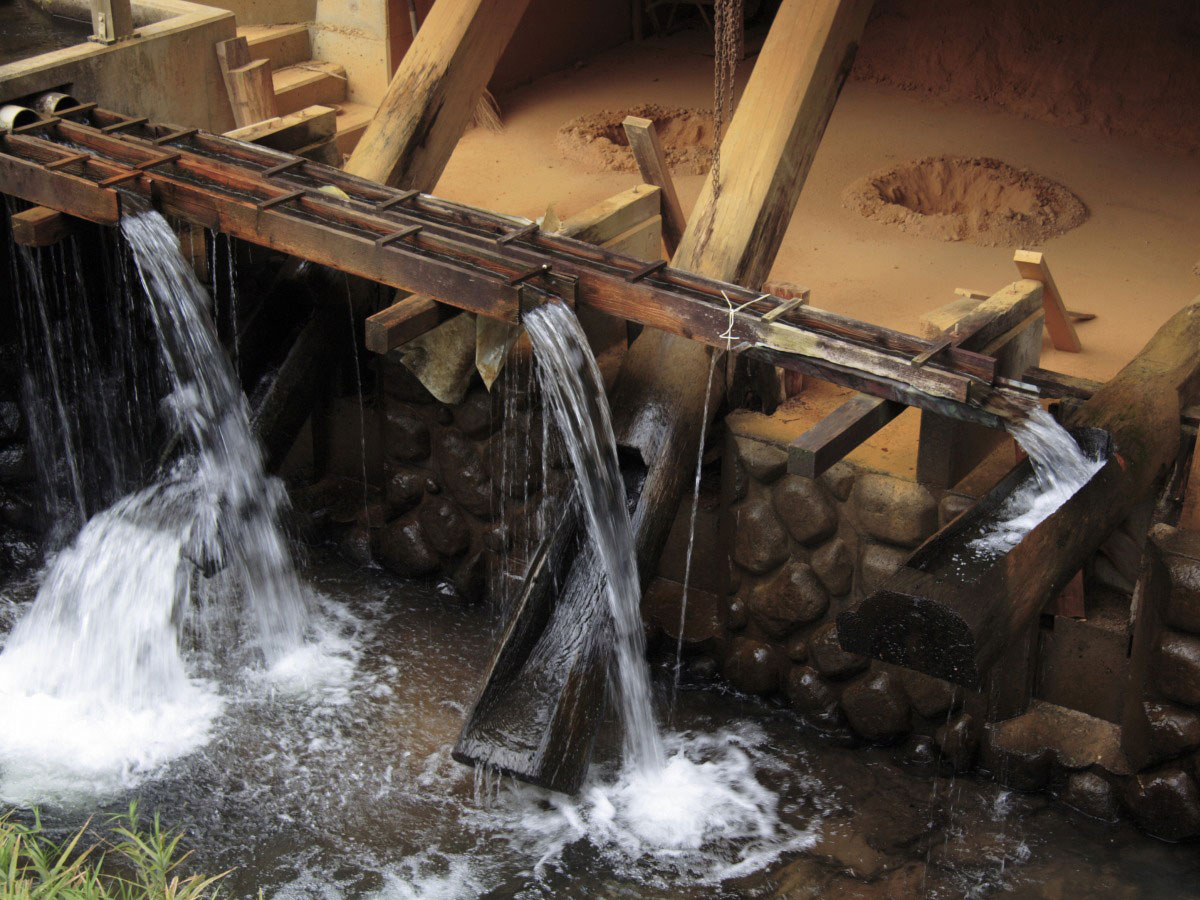
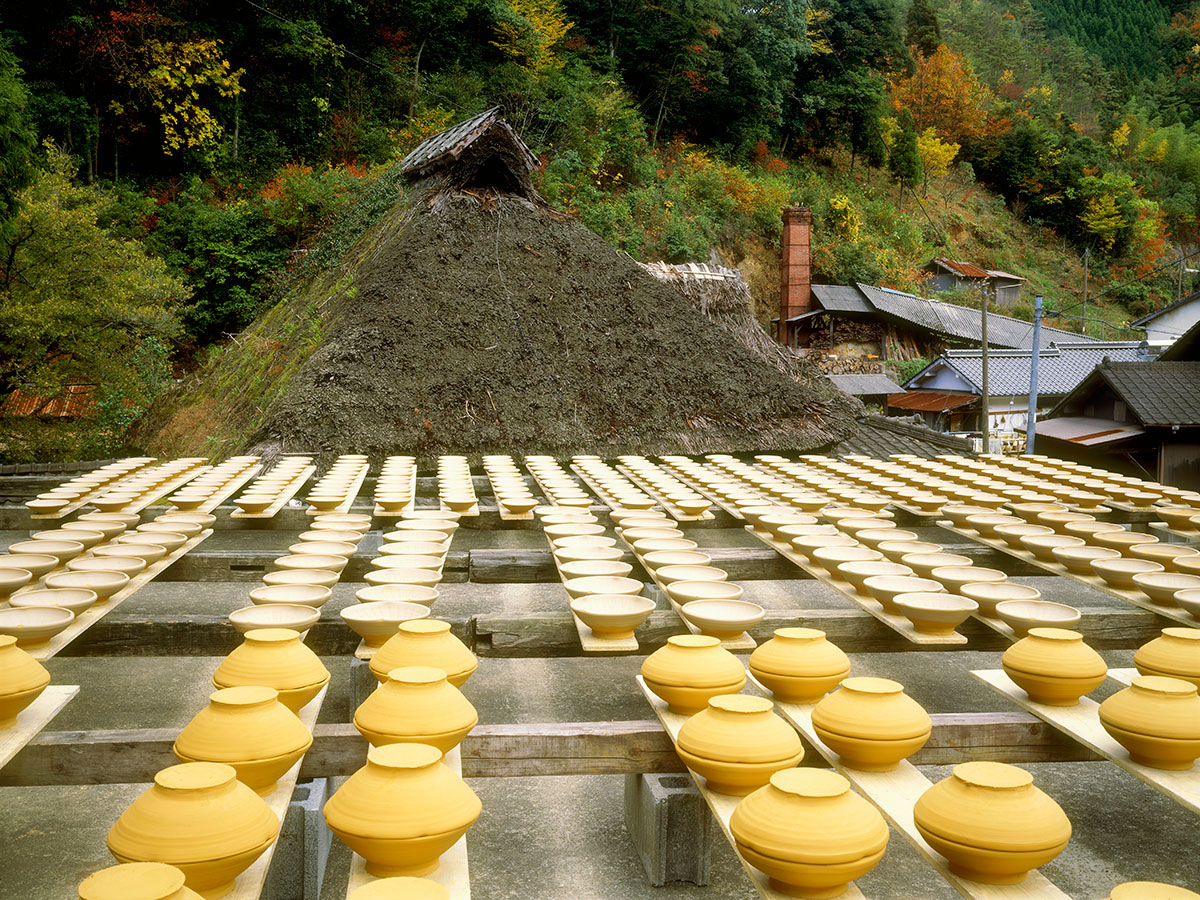
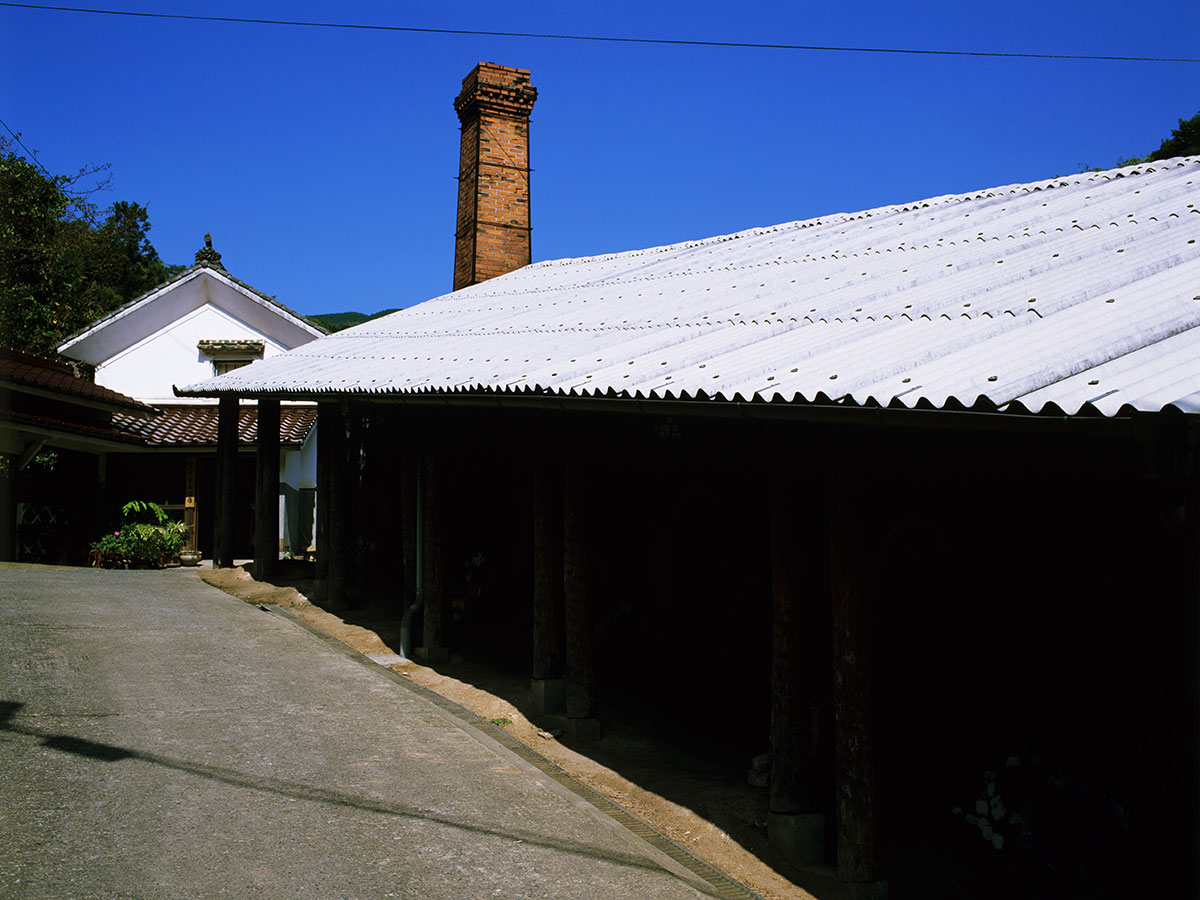
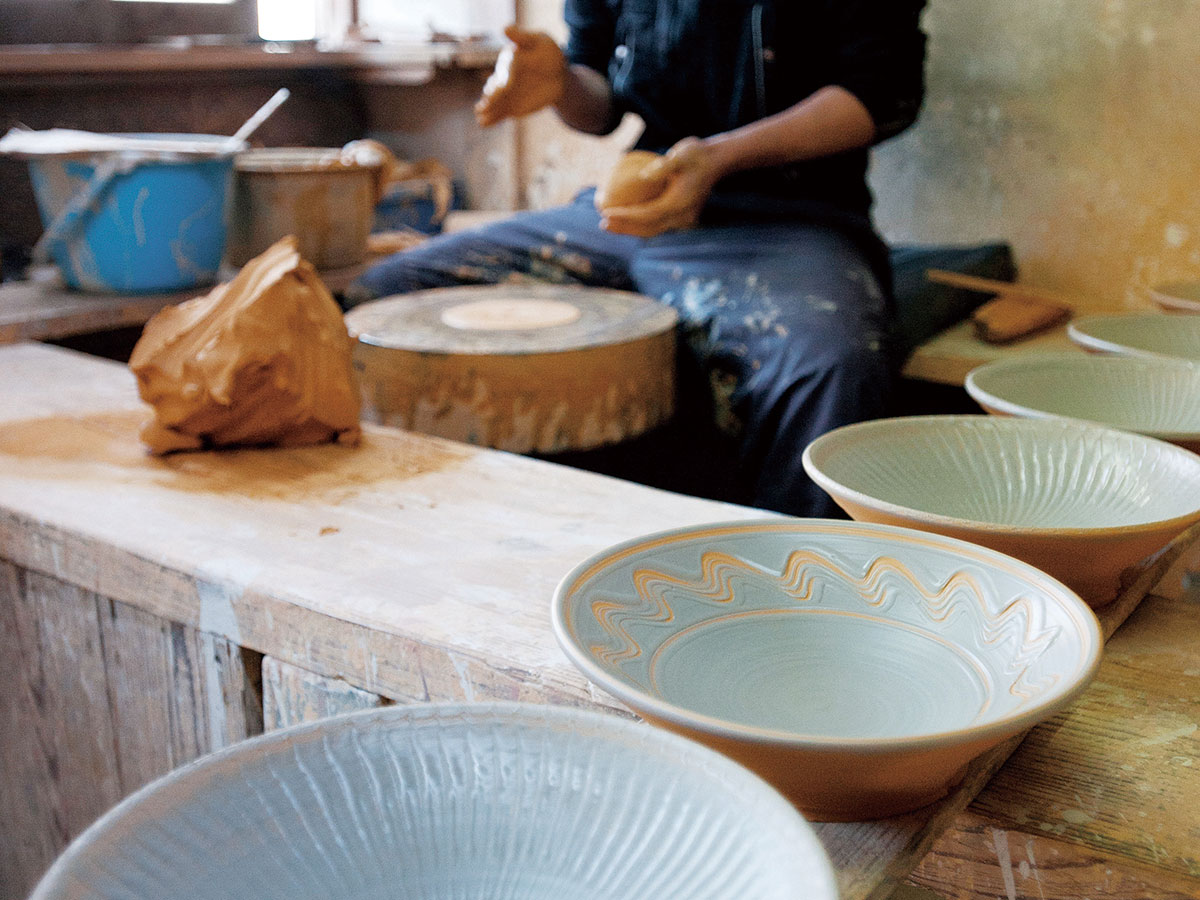
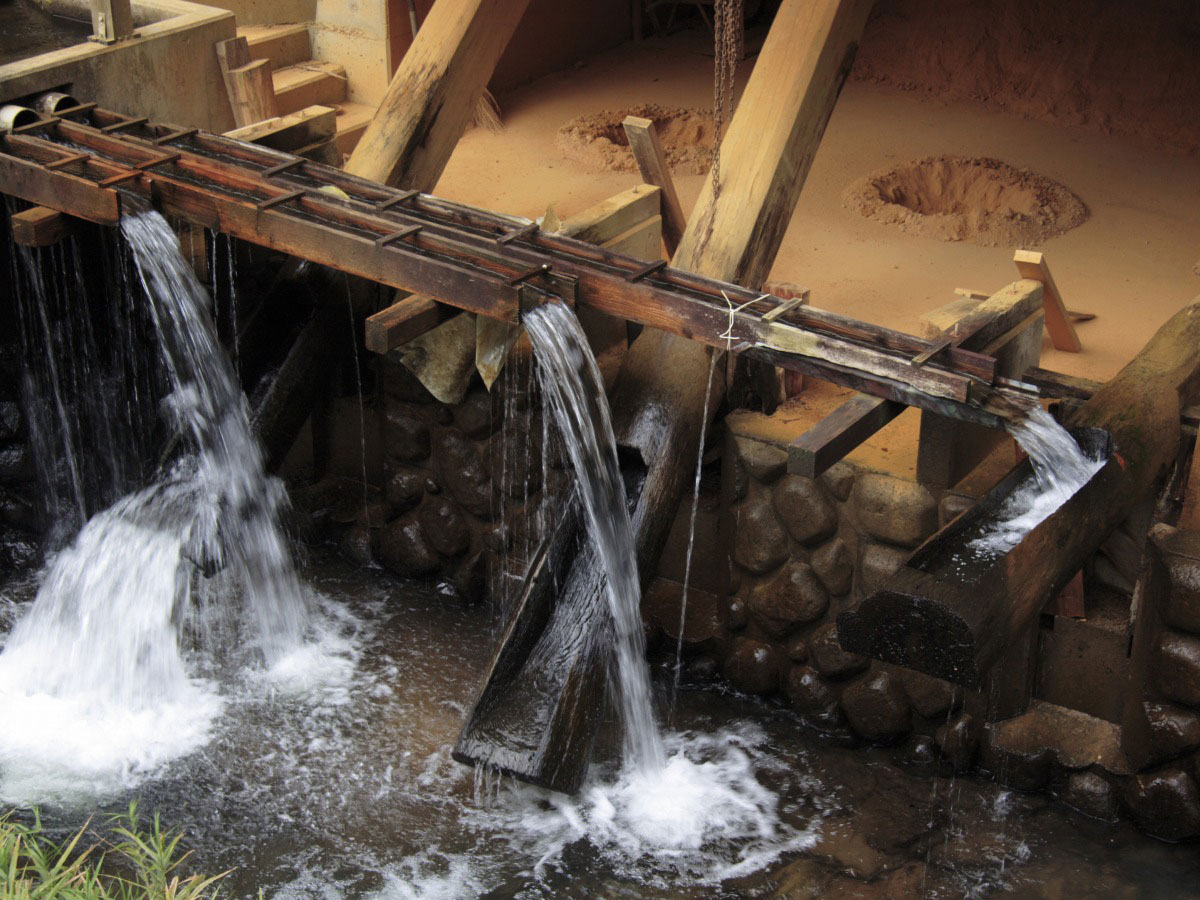
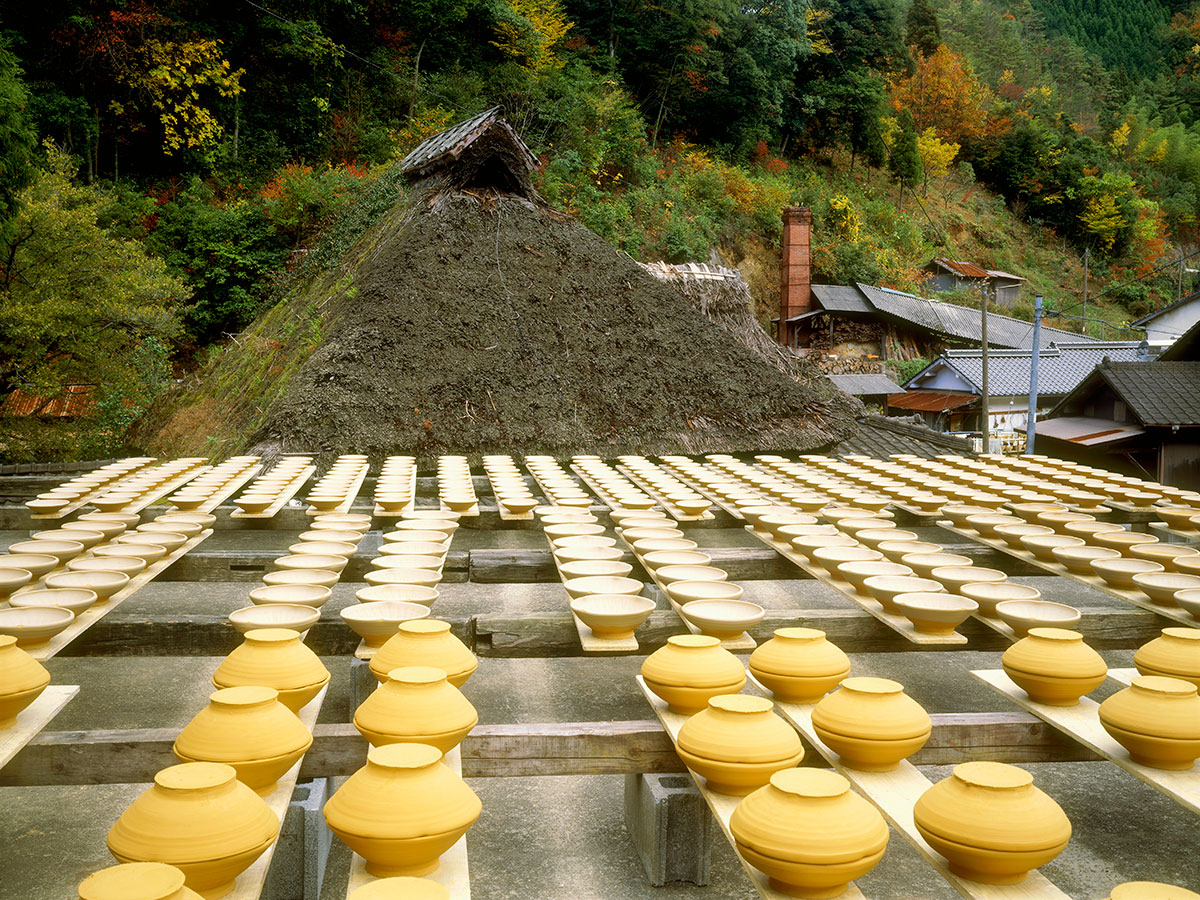
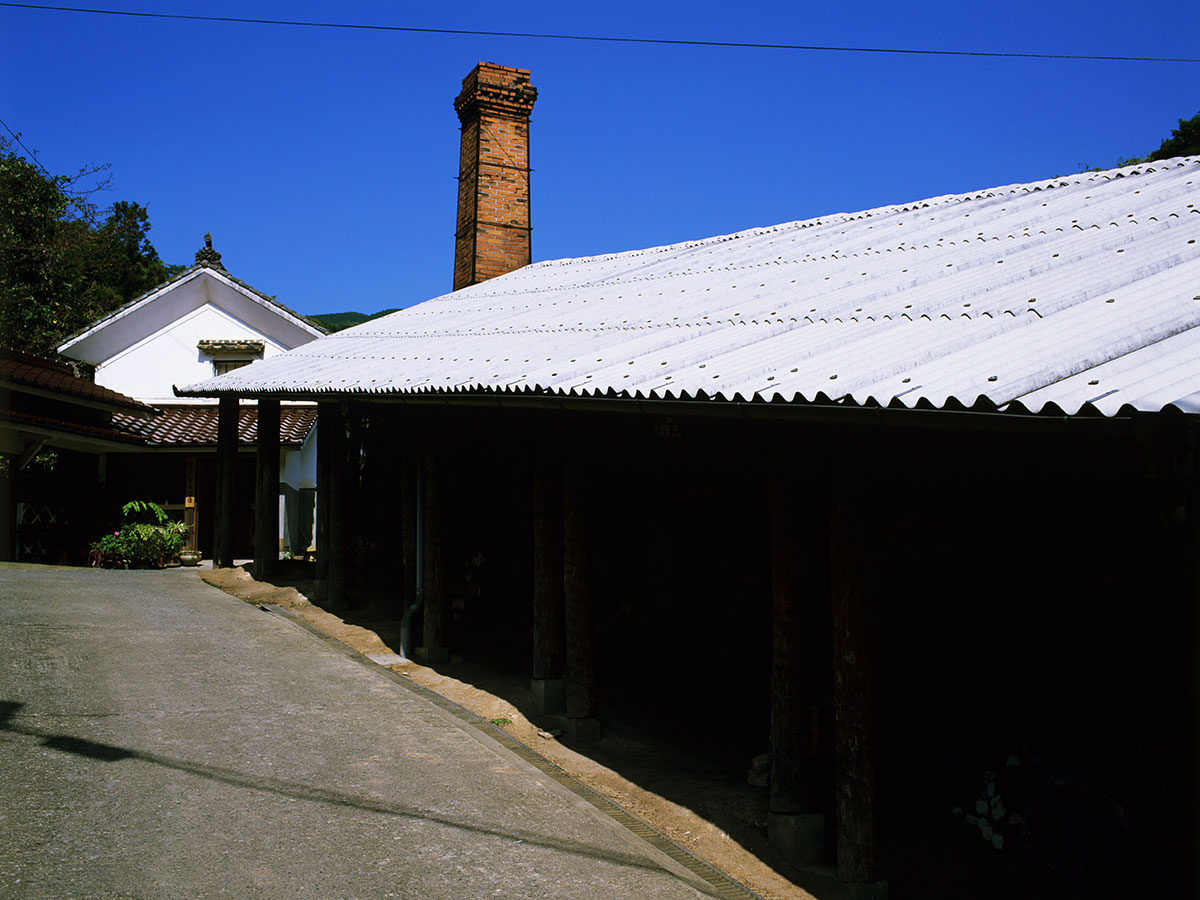
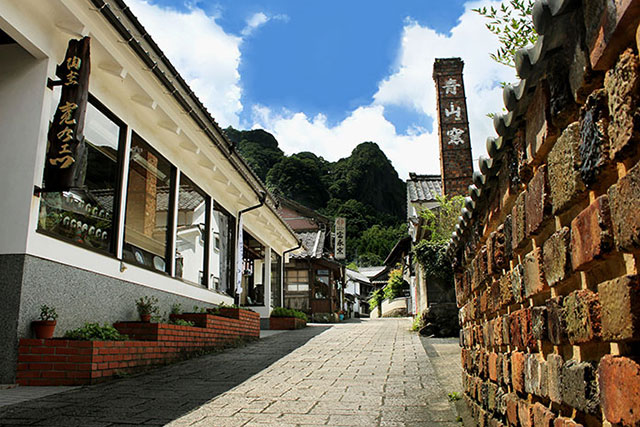
Ten kilns have inherited and passed on the tradition of Ontayaki through the families, from parent to child, over 300 years. The kaolin, dug out by the artisans themselves, is crushed in wooden mortars using hydropower from the river, and made into clay, which is then transformed into plates, pots, and other pottery items. After that, unique patterns such as "tobikanna" and "hakeme" are carved onto the items to produce a finished "Ontayaki" ware. All the processes continue to be carried out by hand through traditional methods. The reverberations of the kaolin have been selected as one of the "100 Soundscapes of Japan" that the country wishes to preserve.
More Information about Ontayaki no Sato
-
Street address
- 138-1 Motoemachi, Hita City, Oita (Ontayaki Ceramic art Museum)
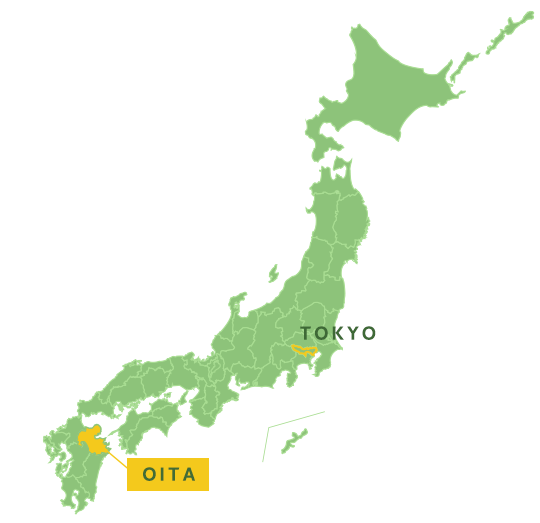
 About OITA
 -
Access
-
-
Route1
-
- Approximately 30 minutes by bus from JR Hita Station
-
Route2
-
- 16 km (30 min) via National Route 212, Prefectural Route 107 from Oita Hita IC
-
-
Opening Hours
- Varies by each kiln
-
Closed
- Closed on irregular days
-
Best season
- -
-
Point
- Free admission to Ontayaki Ceramic Art Museum
update: Sep.3.2024
Spots around
-

Nakano Sake Brewery
-

Oita Airport
-
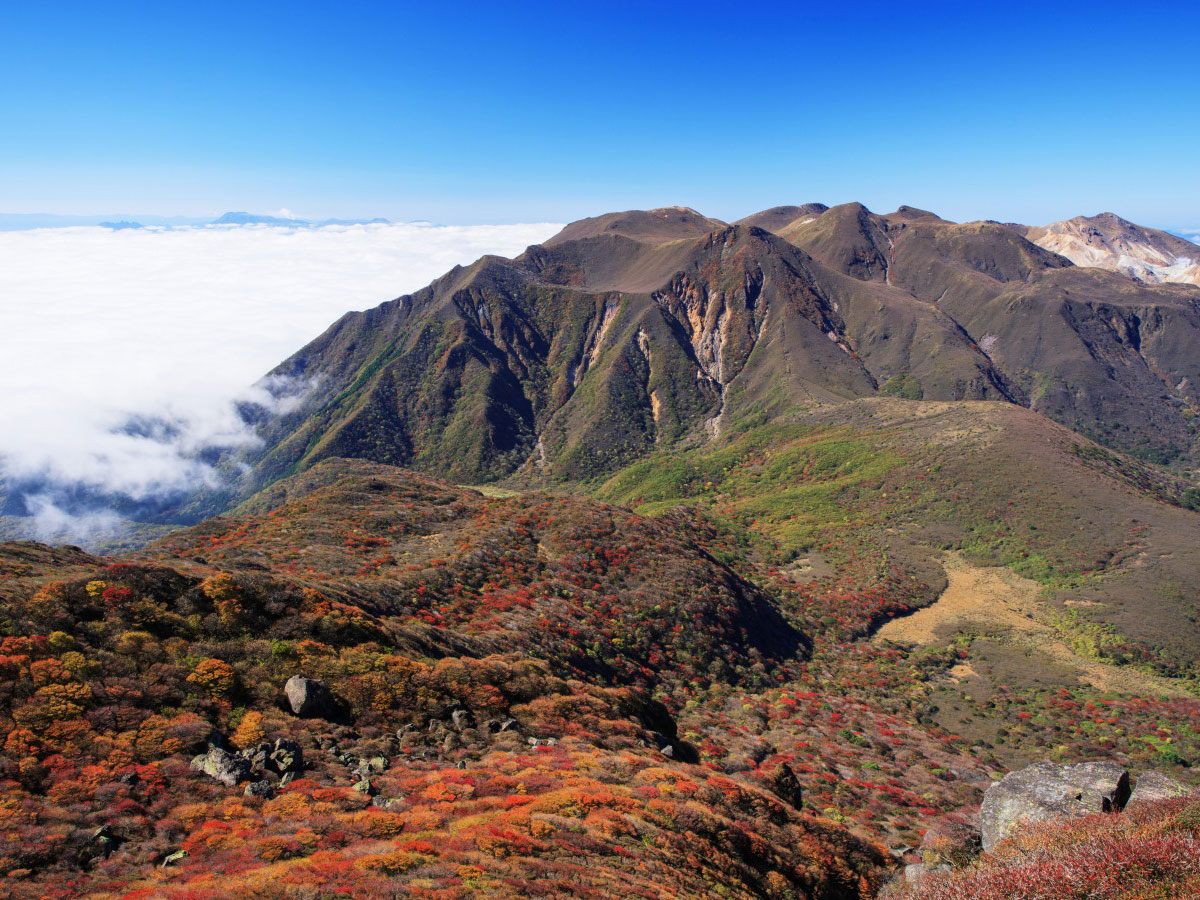
Kuju region
-
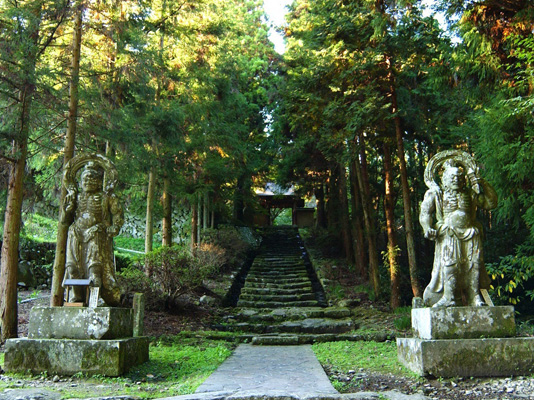
Futago-ji Temple
-
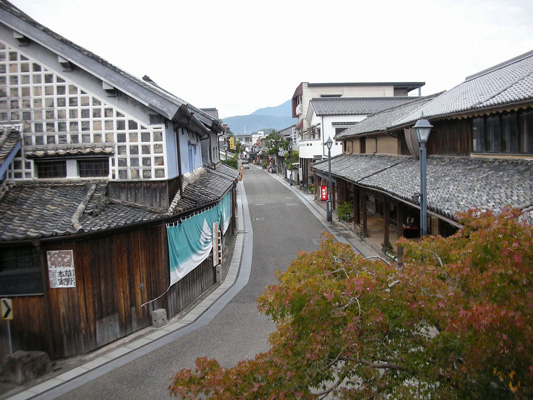
Mameda-machi
-
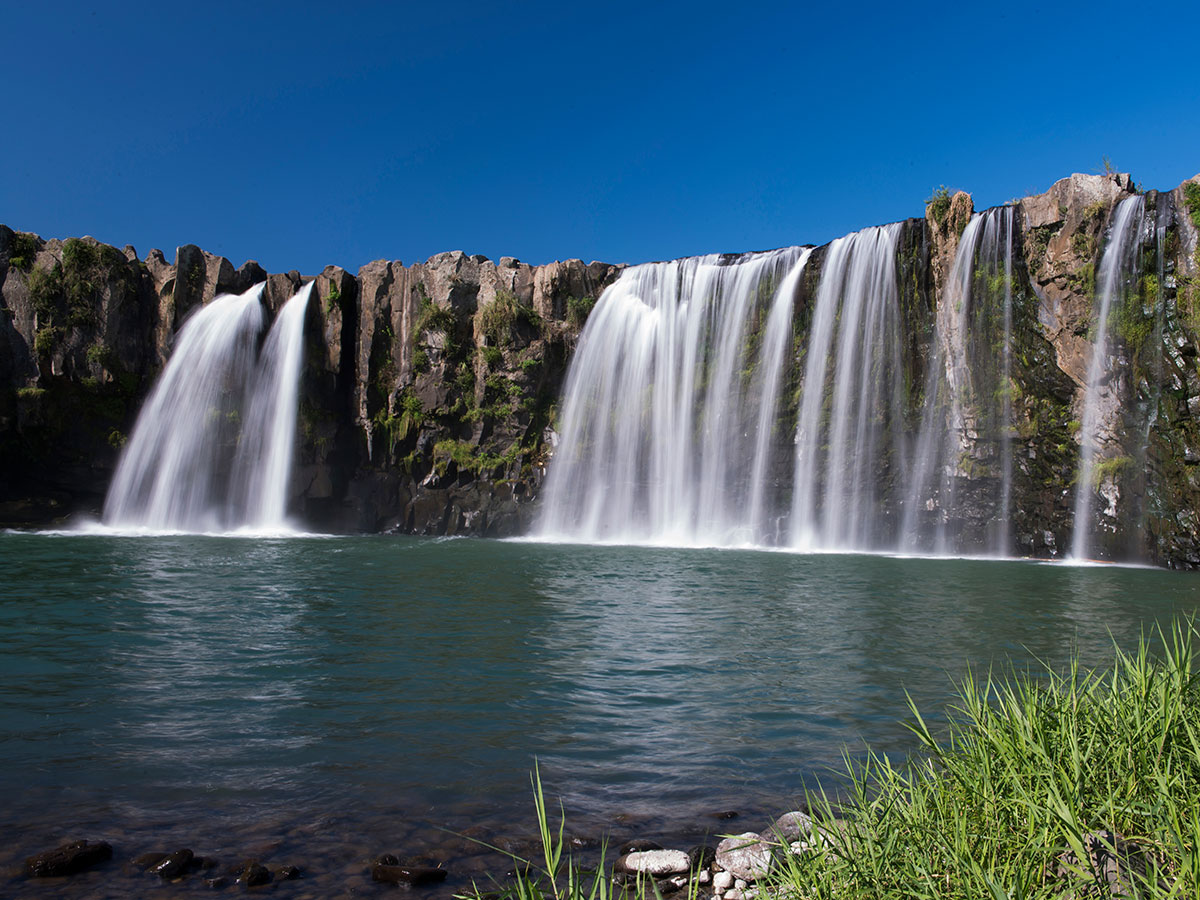
Geo Experience
-

African Safari
-
Usa Jingu Shrine
-
Kitsuki
-

Fukashima Island
-
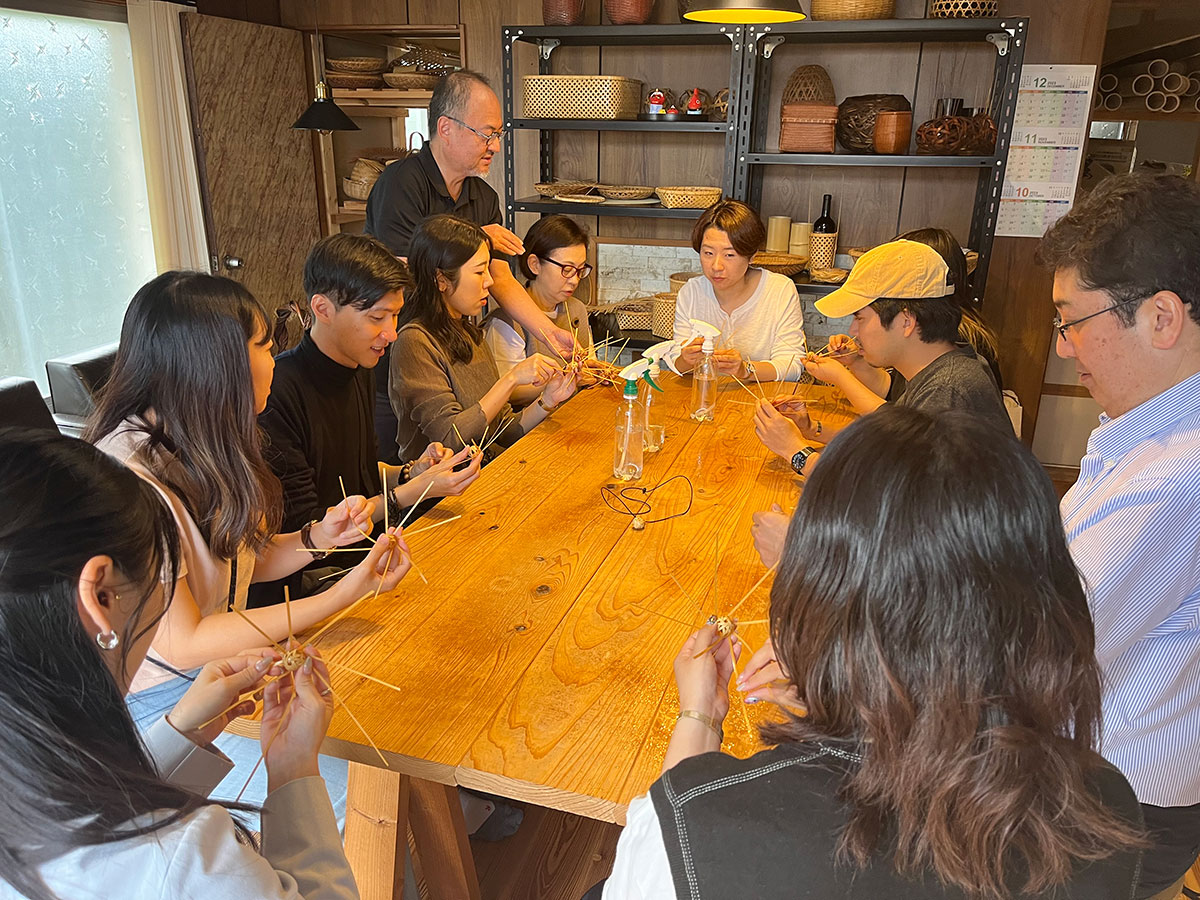
Chikufusha (bamboo craft-making experience)
-
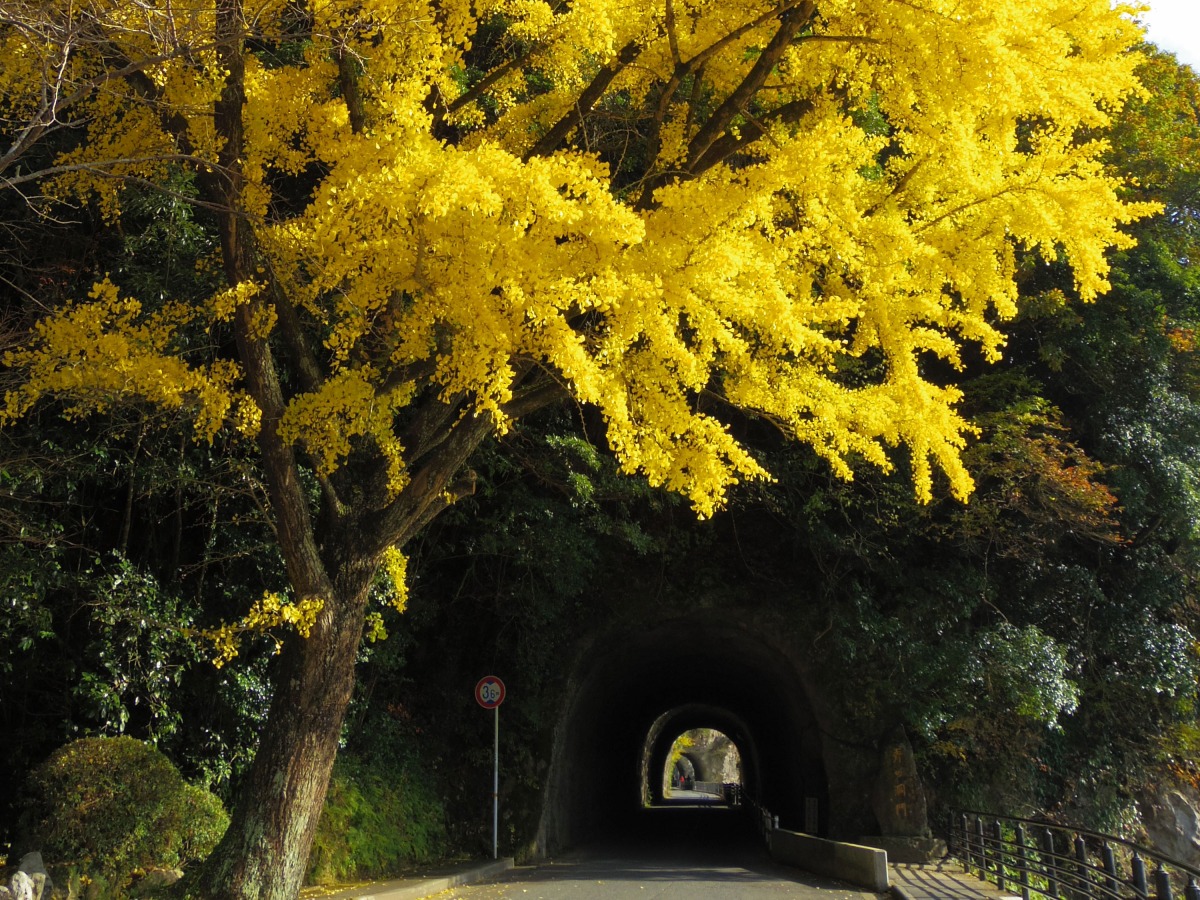
Ao-no-domon Tunnel
-
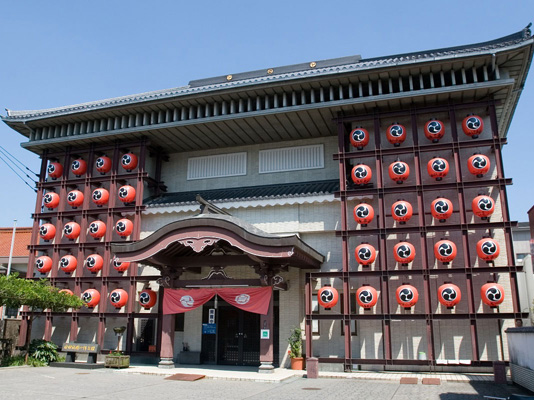
Hita Gion Yamaboko (Festival float) Hall
-
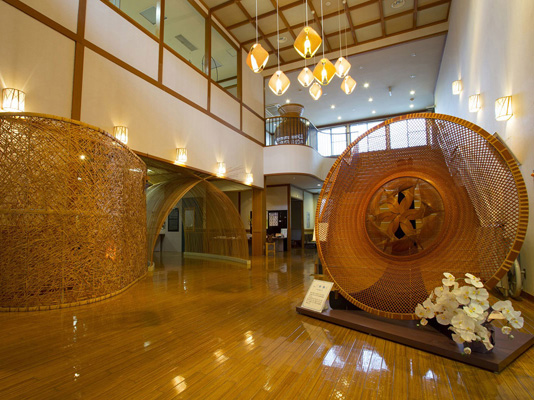
Beppu City Traditional Bamboo Crafts Center
-
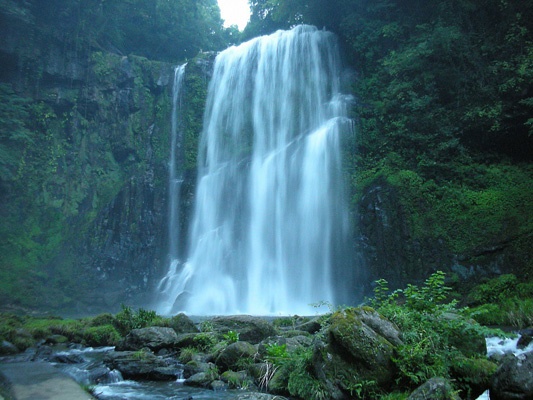
Sakuradaki Waterfall
-

Kitchom san Village Green Tourism
-
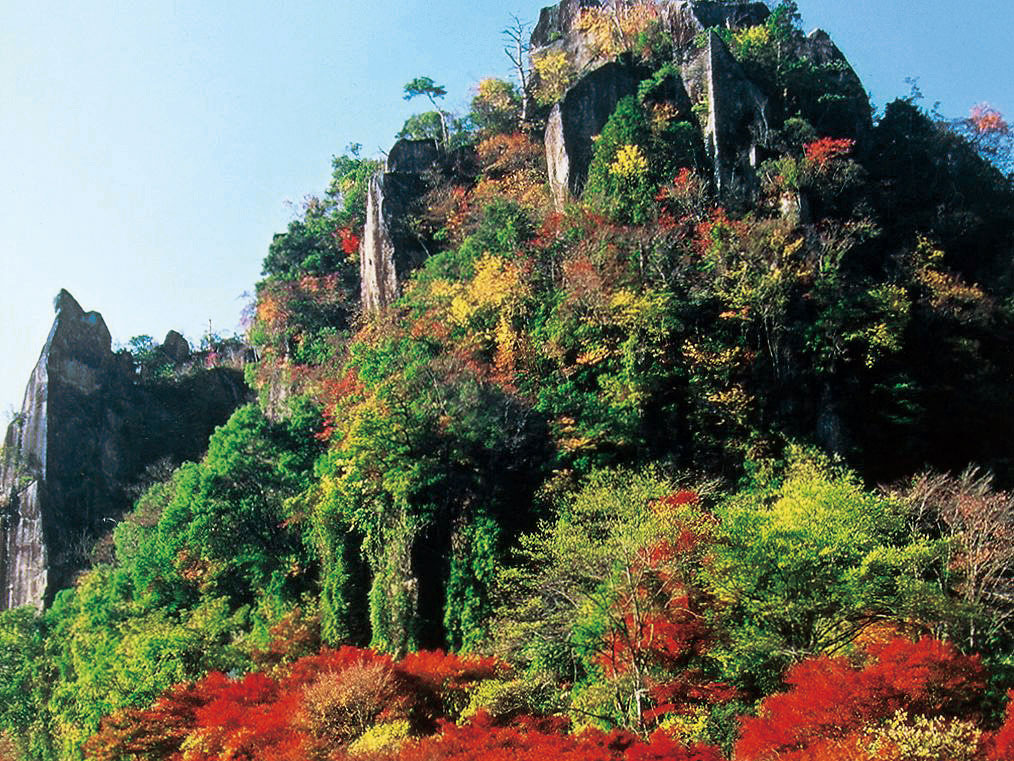
Yaba Gorge, Nakatsu (Red autumnal leaves)
-
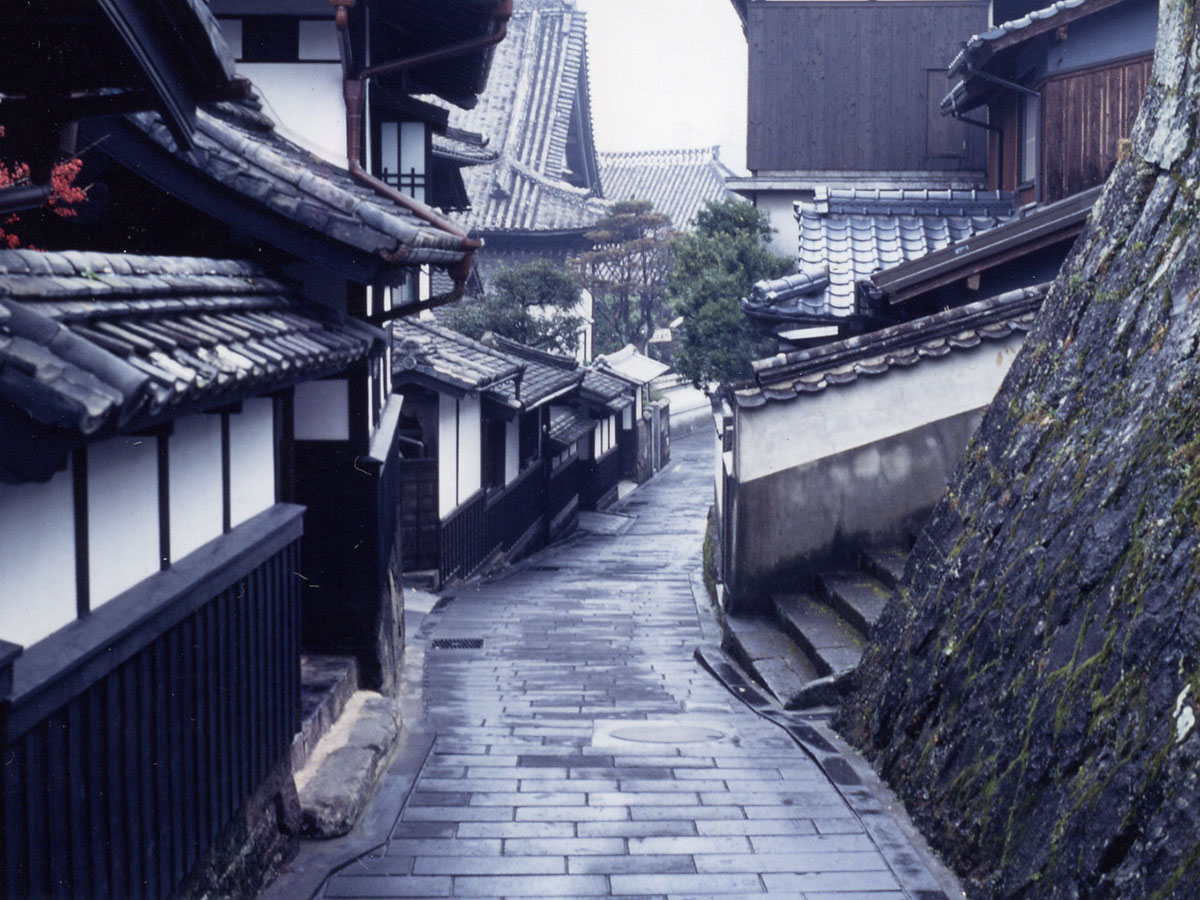
Nioza Historical Road
-
Usuki Stone Buddhas
-
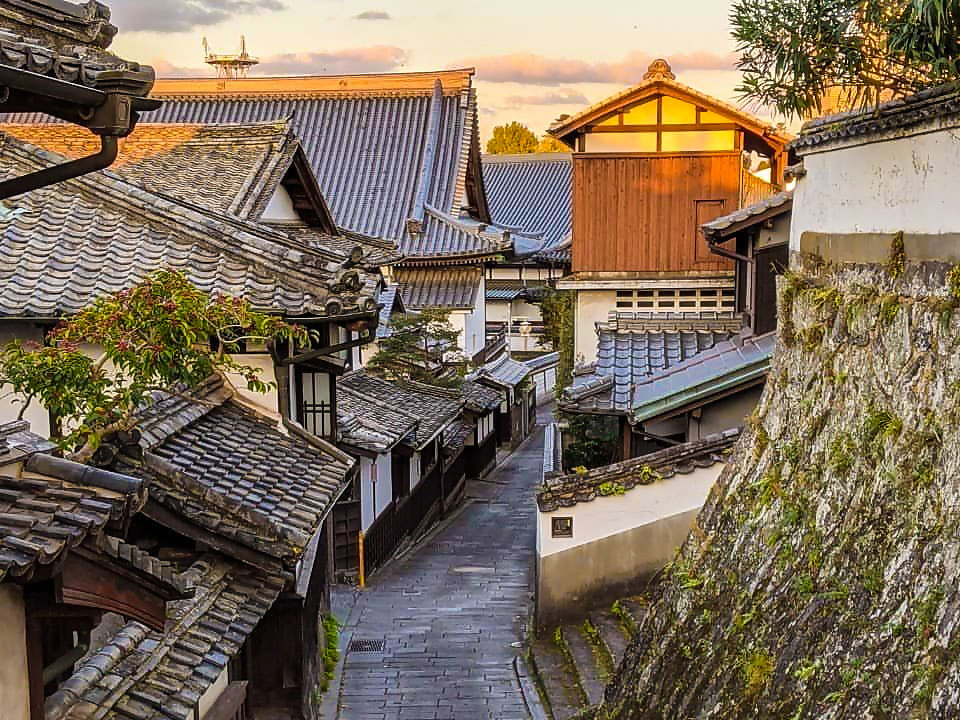
Usuki City's castle town walk (Nioza, Kani Shoyu, Kotegawa Brewery, etc.)
-
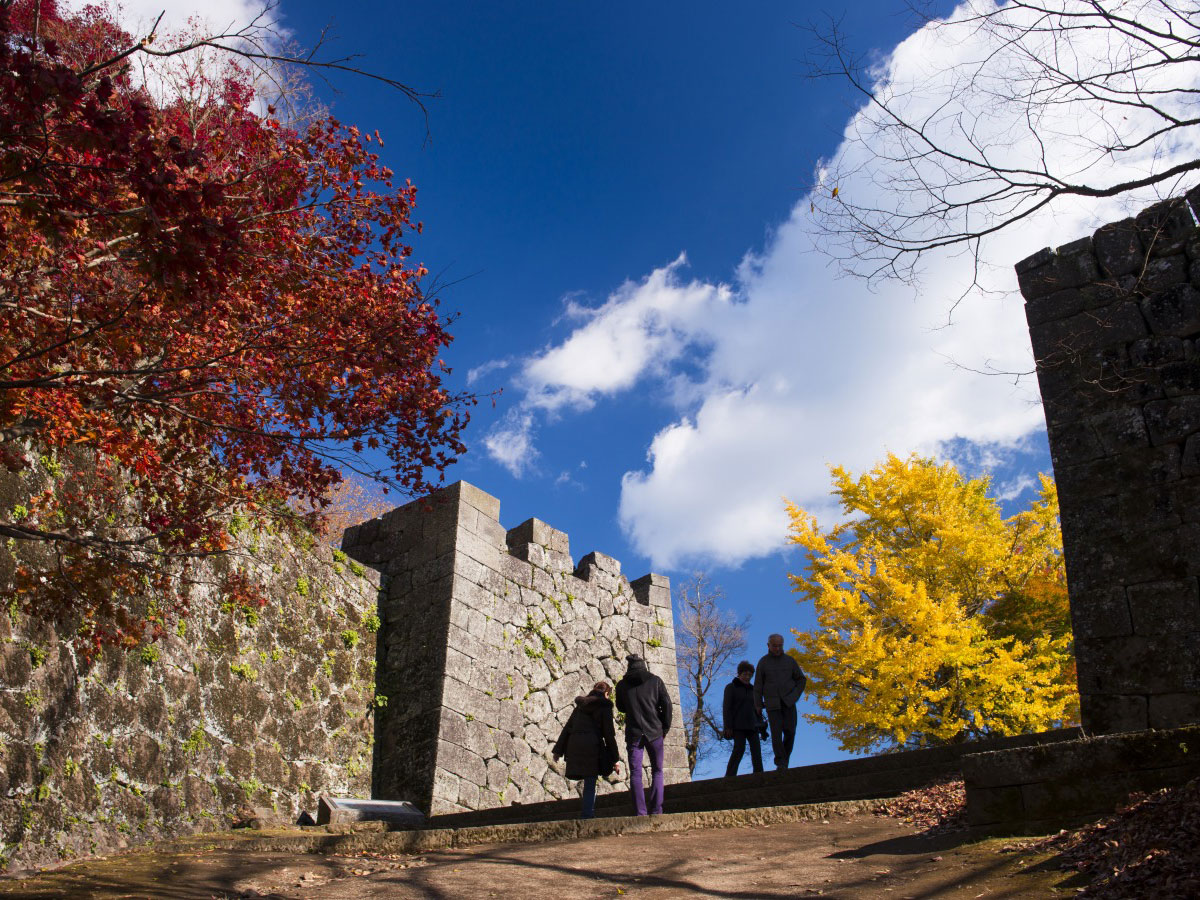
Oka Castle Ruins
-
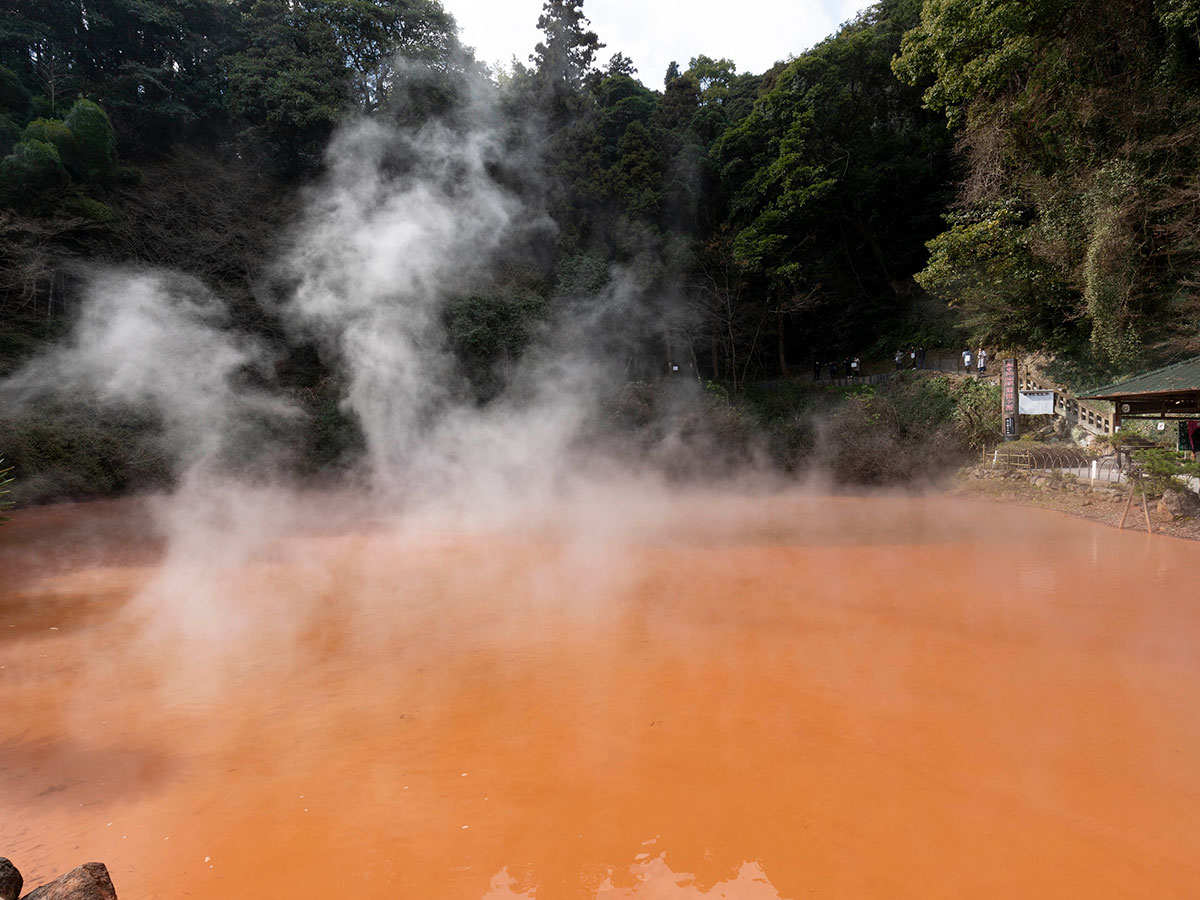
Beppu Jigoku Meguri (hell tour)
-
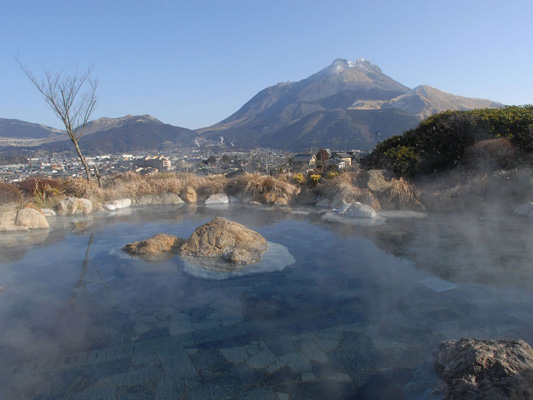
Yufuin Hot Spring
-
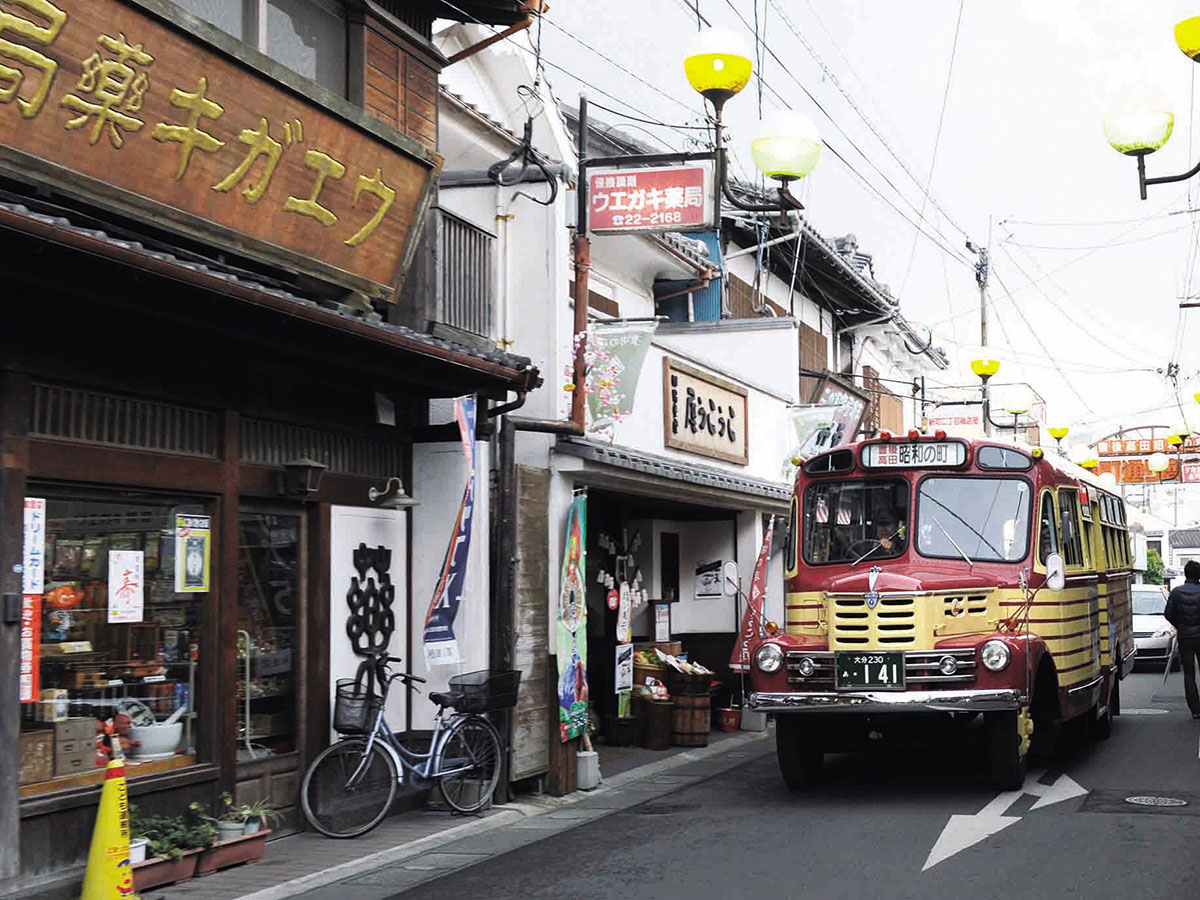
Showa Town
-
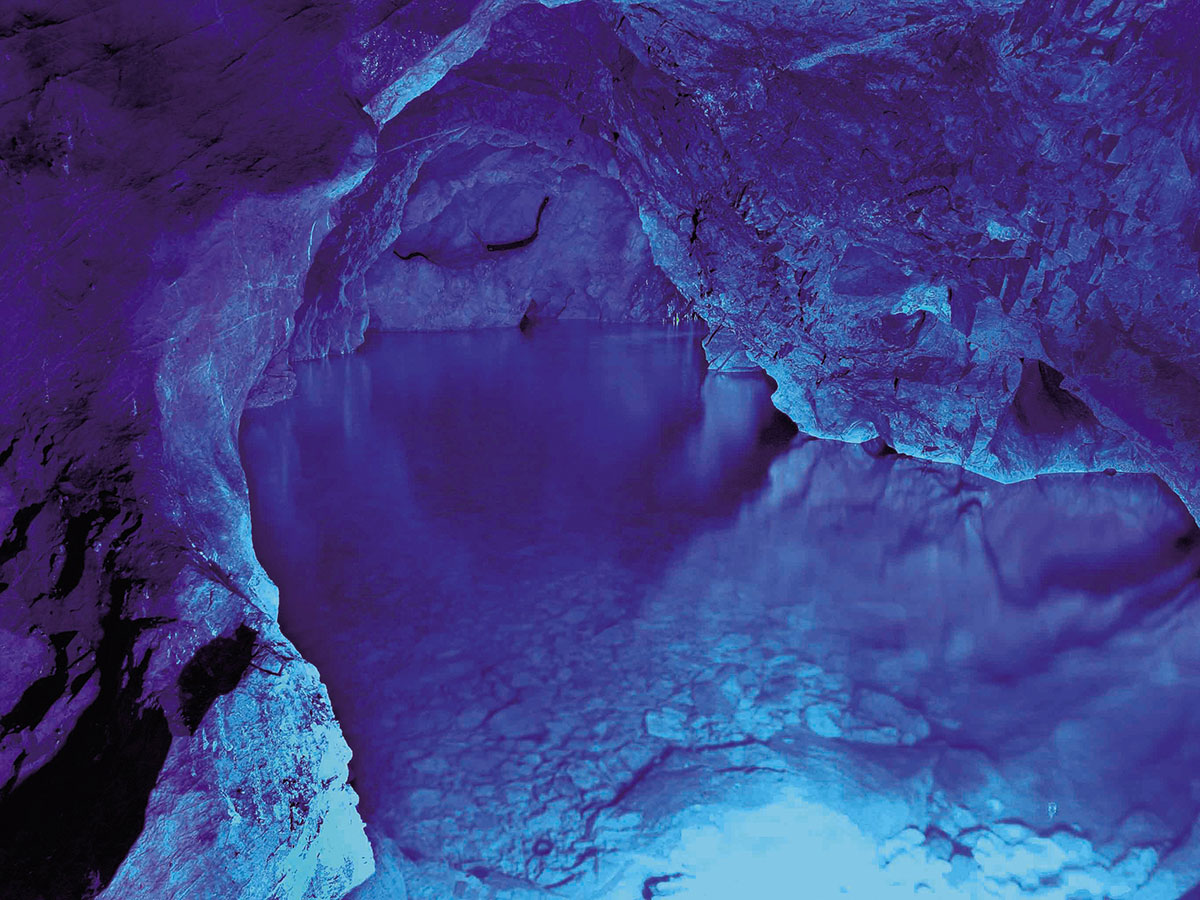
Inazumi Underwater Cave
-
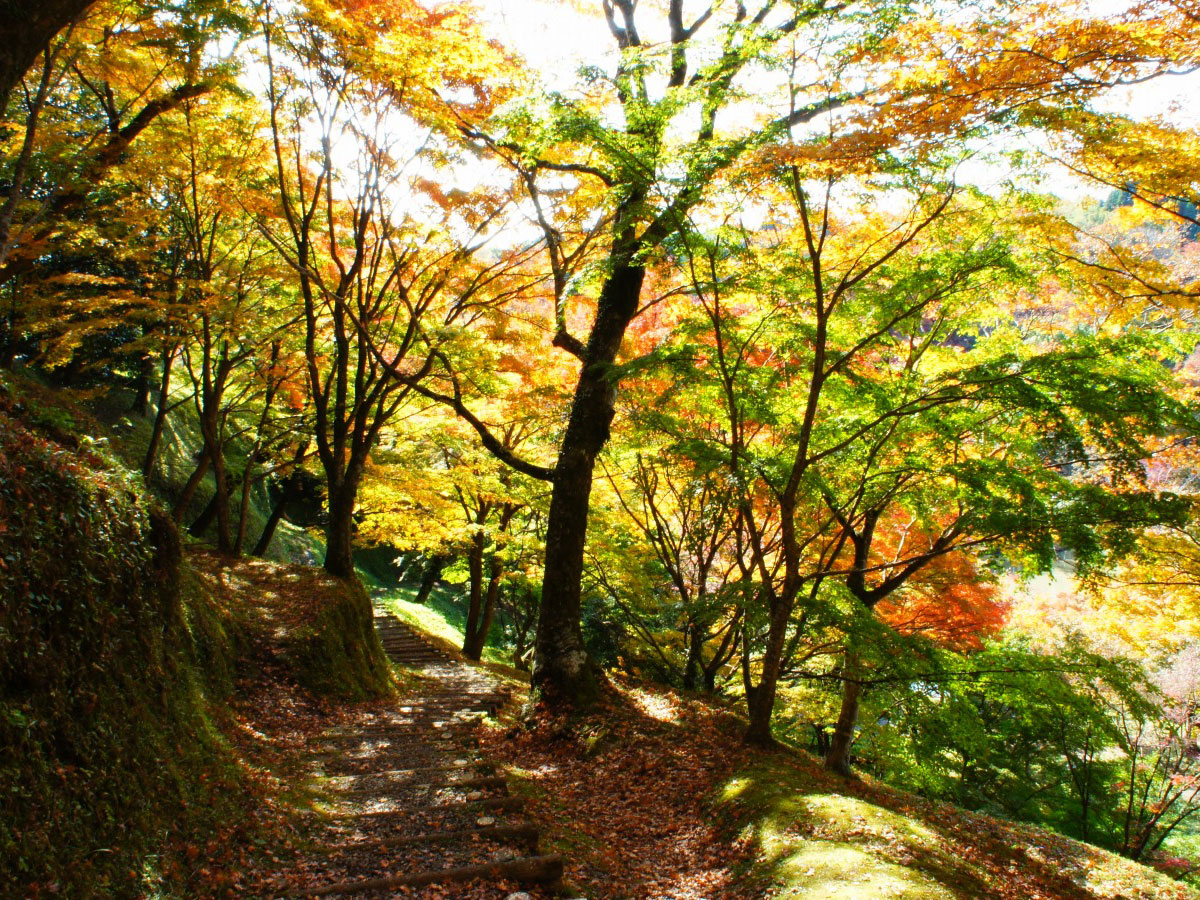
Kyushu OLLE (Okubungo Course)
-
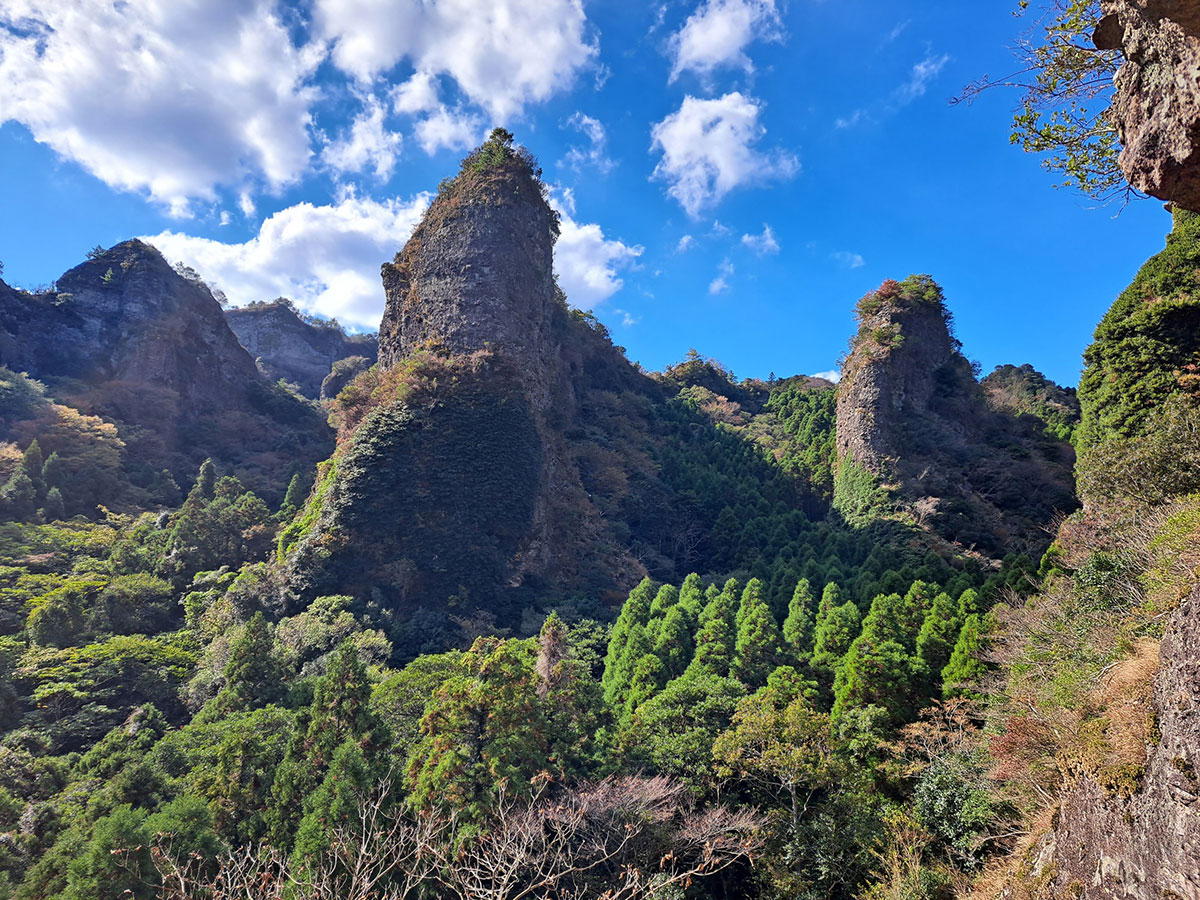
kunisaki Peninsula Minemichi Long Trail
-

Hita Hot Spring